Replacing or installing a commercial HVAC system isn’t something most business owners deal with very often. There are equipment choices, scheduling concerns, costs, and plenty of technical details to sort through. As a commercial HVAC installation company in Lenexa, we think customers should be able to ask questions, get straightforward answers, and understand exactly what they’re paying for before the work begins.
A Little Planning Up Front Goes a Long Way
We’ve worked in enough commercial buildings to know that no two HVAC projects are exactly alike. Even buildings that look similar from the outside can have completely different heating and cooling needs once you get inside. An office building doesn’t operate like a restaurant. A warehouse with overhead doors opening throughout the day has different challenges than a retail store. Even within one building, you may have a conference room that’s always warm while an office down the hall feels cold. That’s why we don’t like jumping straight to, “Here’s the unit you need.” There are a few things we need to figure out first, and business owners should be asking questions of their own. When you’re choosing a commercial HVAC installation company in Lenexa, these conversations can tell you quite a bit about how the contractor approaches the job.
1. How Did You Decide Which HVAC System We Need?
This is probably the most important place to start. It’s easy to assume a bigger HVAC system will do a better job, but that’s not necessarily how it works. Equipment that’s too large can cycle on and off more than it should. Go too small, and the system may have trouble keeping up during a hot Kansas summer or a stretch of freezing winter weather. We look at more than square footage. The building’s layout, number of people using it, insulation, existing equipment, ventilation, operating hours, and heat-producing equipment can all come into play. If we’re recommending a certain system, we should be able to explain why. You shouldn’t have to simply take our word for it.
2. Do We Really Need to Replace Everything?
Not always. There are projects where some of the existing HVAC system still has plenty of useful life left. There are others where trying to hang onto older components creates more problems than it solves. That’s something we want to determine before installation begins. If your business is replacing equipment in stages, talk with your commercial HVAC company in Lenexa about what can reasonably stay in place. New and existing components need to work together, and saving something now isn’t much of a savings if it hurts performance or has to be replaced shortly afterward.
3. What About the Existing Ductwork?
Ductwork doesn’t get nearly as much attention as the HVAC equipment itself, but it can make a noticeable difference in how the building feels. You can put in a great new system and still have problems if the ductwork can’t move air where it needs to go. Leaks, poor sizing, damaged sections, or an awkward original design can leave one part of the building comfortable and another part too warm or cold. We want to know what condition those ducts are in before connecting new equipment to them. If changes are needed, having a duct work installation company in Lenexa evaluate the entire air distribution system gives you a chance to correct those problems while the HVAC work is already underway.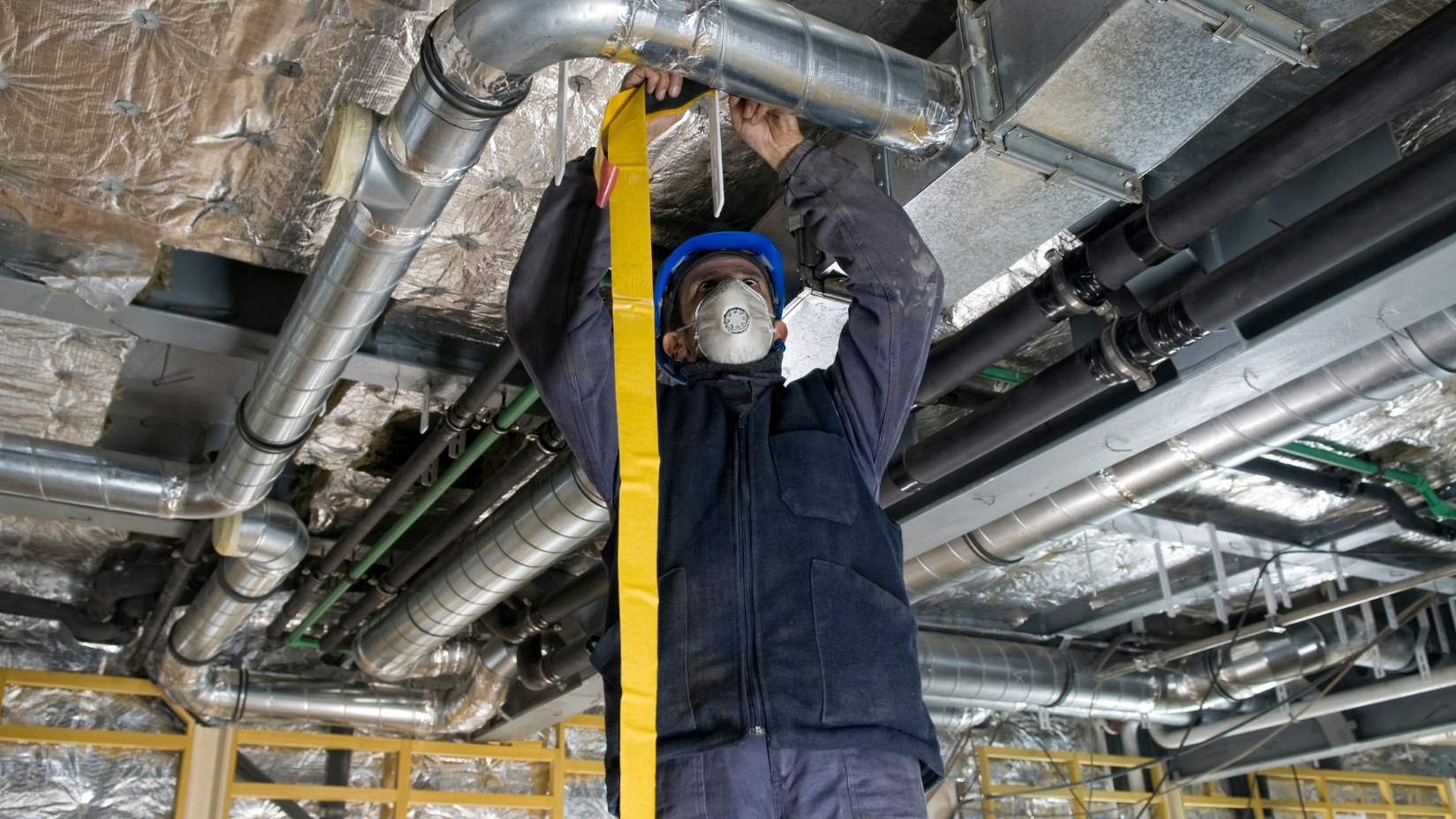
4. Should We Keep Repairing Our Rooftop Unit?
We hear this one a lot, and there isn’t a universal answer. An older rooftop unit doesn’t automatically need to be replaced. If it’s still reliable and the repair makes financial sense, keeping it going may be the right call. The situation changes when repairs become frequent, parts get harder to find, comfort problems keep coming back, or you’re spending more and more money just to keep an aging unit running. A roof top unit replacement company in Lenexa should be able to walk you through those factors without automatically pushing you toward replacement. We look at the condition of the equipment, its repair history, age, efficiency, and how well it’s handling the needs of the building. Sometimes repairing it makes sense. Sometimes you’ve reached the point where you’re just putting more money into a unit that’s likely to give you another problem.
5. What Exactly Are We Paying For?
This sounds obvious, but it’s worth asking. A commercial HVAC installation can involve much more than delivering a new unit and hooking it up. Depending on the building and equipment, the project might include removing the old system, electrical or gas work, controls, duct modifications, rooftop curbs, crane service, testing, and disposal of the old equipment. We’d rather have that conversation upfront. Ask what’s included in the estimate and whether there are situations that could lead to additional work. Nobody wants to find out halfway through an installation that something they assumed was included actually wasn’t.
6. Will We Have to Close While the Work Is Being Done?
For a business owner, this may matter just as much as the equipment itself. Most companies can’t simply shut their doors for several days because HVAC work is happening. Employees still need to work. Customers may still be coming through the door. Products and equipment may need to remain at certain temperatures. That’s why we talk about scheduling early. Some installations can be completed with relatively little interruption. Larger jobs may involve periods without heating or cooling, crane work, access to occupied areas, or several pieces of equipment being replaced. Ask what your normal operations will look like during the project. Once we know how your business runs, we can plan the work with those needs in mind.
7. Can We Fix the Hot and Cold Spots While We’re Doing This?
Please mention them. If there’s an office where someone keeps a space heater under the desk all winter, we want to know. The same goes for the conference room that gets uncomfortable every afternoon or the warehouse area that never seems to cool down. Those little details tell us something. Different parts of a commercial building can have very different heating and cooling demands. Occupancy, windows, exterior walls, equipment, doors, airflow, and room use can all contribute. A new installation is a good time to investigate those long-standing comfort complaints instead of automatically recreating the same setup and hoping the problems disappear.
8. How Much Difference Will a More Efficient System Really Make?
Efficiency ratings are useful, but they aren’t the whole story. A high-efficiency unit that’s poorly sized or connected to problematic ductwork isn’t going to perform the way it should. Controls, operating schedules, installation quality, maintenance, and the building itself all play a role. We like to talk about efficiency in practical terms. What are your operating hours? How heavily will the equipment run? How long do you expect to remain in the building? Does spending more upfront make sense for the potential operating savings? The most expensive option isn’t automatically the right one. The goal is to find equipment that makes sense for the way your business actually uses the building.
9. Will a New Rooftop Unit Fit the Existing Setup?
Not necessarily, and this is one of those details that’s better discovered early. A replacement rooftop unit may have different dimensions, weight, electrical requirements, curb dimensions, or duct connections than the equipment that’s currently sitting on the roof. Those differences can mean additional work. Before choosing a rooftop unit replacement company in Lenexa, ask whether the existing setup has been inspected and whether the proposal accounts for likely modifications. You don’t want the first serious look at those details happening after the old unit has already been removed.
10. Do We Need Better HVAC Controls?
Maybe. It depends on how the building is used. A small business operating during standard daytime hours may not need anything complicated. A larger property with multiple departments, changing occupancy, or extended operating hours may benefit from more control over schedules and temperatures. Think about when different parts of your building are actually occupied. There’s little reason to heat or cool every area exactly the same way around the clock if portions of the building aren’t being used. The right controls can make the system easier to manage and may help cut down on unnecessary runtime. We can explain the options without making the controls more complicated than your team needs them to be.
11. What Are We Supposed to Do After the New System Is Installed?
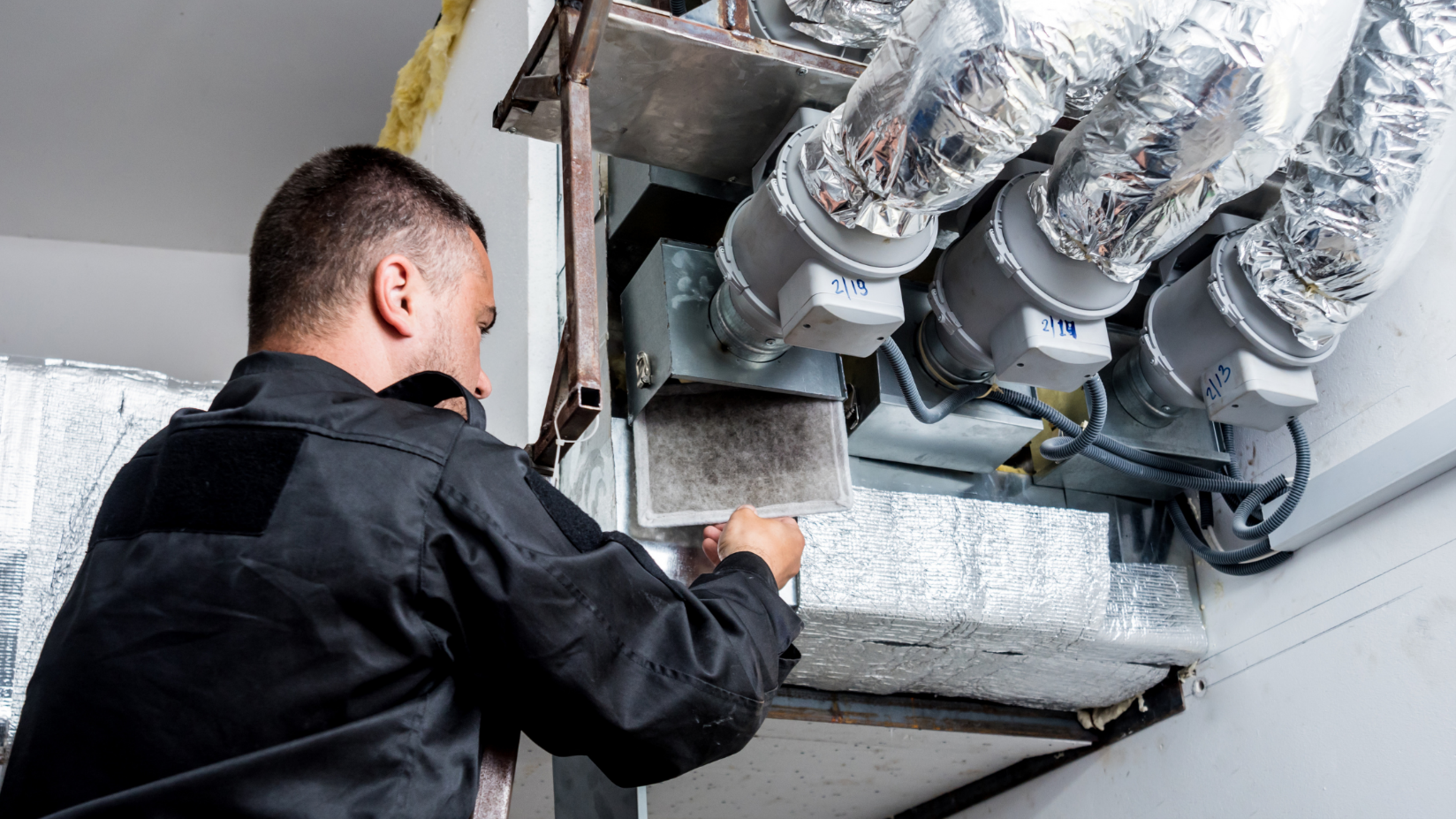
New doesn’t mean maintenance-free. Filters still need attention. Coils get dirty. Electrical connections, belts, drains, controls, and other components should be checked over time. Commercial systems work hard, especially when they’re running long hours. Before the installation is finished, ask what kind of maintenance schedule makes sense for your equipment and business. A commercial HVAC maintenance company in Lenexa can help keep an eye on the system after installation and catch wear or developing problems before they turn into an inconvenient breakdown. We’d much rather find a small issue during routine service than get a call when your building suddenly has no cooling on one of the hottest days of the year.
12. What Does the Warranty Actually Cover?
Don’t wait until something goes wrong to find this out. Ask how long the manufacturer’s warranty lasts, what components it covers, whether the equipment needs to be registered, and whether certain maintenance requirements have to be followed. It’s also important to understand the difference between equipment and labor coverage. They aren’t always the same. A few minutes spent going over warranty details now can save quite a bit of confusion later.
13. Are There Costs Beyond the HVAC Equipment?
There can be. The equipment is obviously a major part of the price, but commercial installations may also involve labor, crane service, electrical work, duct modifications, controls, permits, curb adapters, disposal, or other building-specific work. That’s why comparing two proposals based only on the number at the bottom can be misleading. If one estimate is considerably lower, look at what’s actually included. Are you comparing the same type of equipment? The same amount of work? Similar warranties? We want customers to understand where their money is going rather than choosing a proposal based on a number that doesn’t tell the whole story.
14. What Happens Once You Turn the System On?
We’re not finished just because the equipment starts running. The new system needs to be checked and tested. We want to see that it’s operating correctly, controls are responding as expected, and air is moving through the building properly. This is also the time when we can walk your facility manager or another member of your team through the basics. You should know how to operate the system and who to call if something doesn’t seem right. And don’t be afraid to ask questions before we leave. We’d rather explain something twice than have you unsure about equipment you just invested in.
Ask Questions Before Making the Investment
Commercial HVAC can get technical quickly, but the customer shouldn’t be left out of the conversation because of that. At Supreme Mechanical Solutions, we work with commercial properties that have different layouts, equipment, schedules, and demands. We know that what works for one building may make absolutely no sense for the business next door. That’s why we start by understanding what’s happening inside your building. What’s working? What isn’t? Are employees constantly complaining about one room? Has the old equipment become unreliable? Are you planning to expand or change how part of the building is used? Those details help us make better recommendations. When choosing a commercial HVAC installation company in Lenexa, ask plenty of questions. Ask why that particular equipment is being recommended. Ask about your ductwork. Ask what happens during installation, what it will cost, and what you’ll need to do afterward. A good HVAC contractor shouldn’t be bothered by those questions. We expect them. After all, it’s your building, your business, and your investment. You deserve to know exactly what you’re getting and why it makes sense.
Reach out to us online at Supreme Mechanical Solutions or contact us today at (913) 399-7711. SMS provides custom solutions tailored to meet the operational demands of your business. We understand that every industry has different needs, which is why we take the time to customize our approach. From helping restaurants keep critical equipment running to providing dependable repairs and ongoing service, our goal is to keep your business operating efficiently with fewer interruptions.
Be sure to follow us on Facebook for updates, maintenance tips, and a look at our recent projects.


