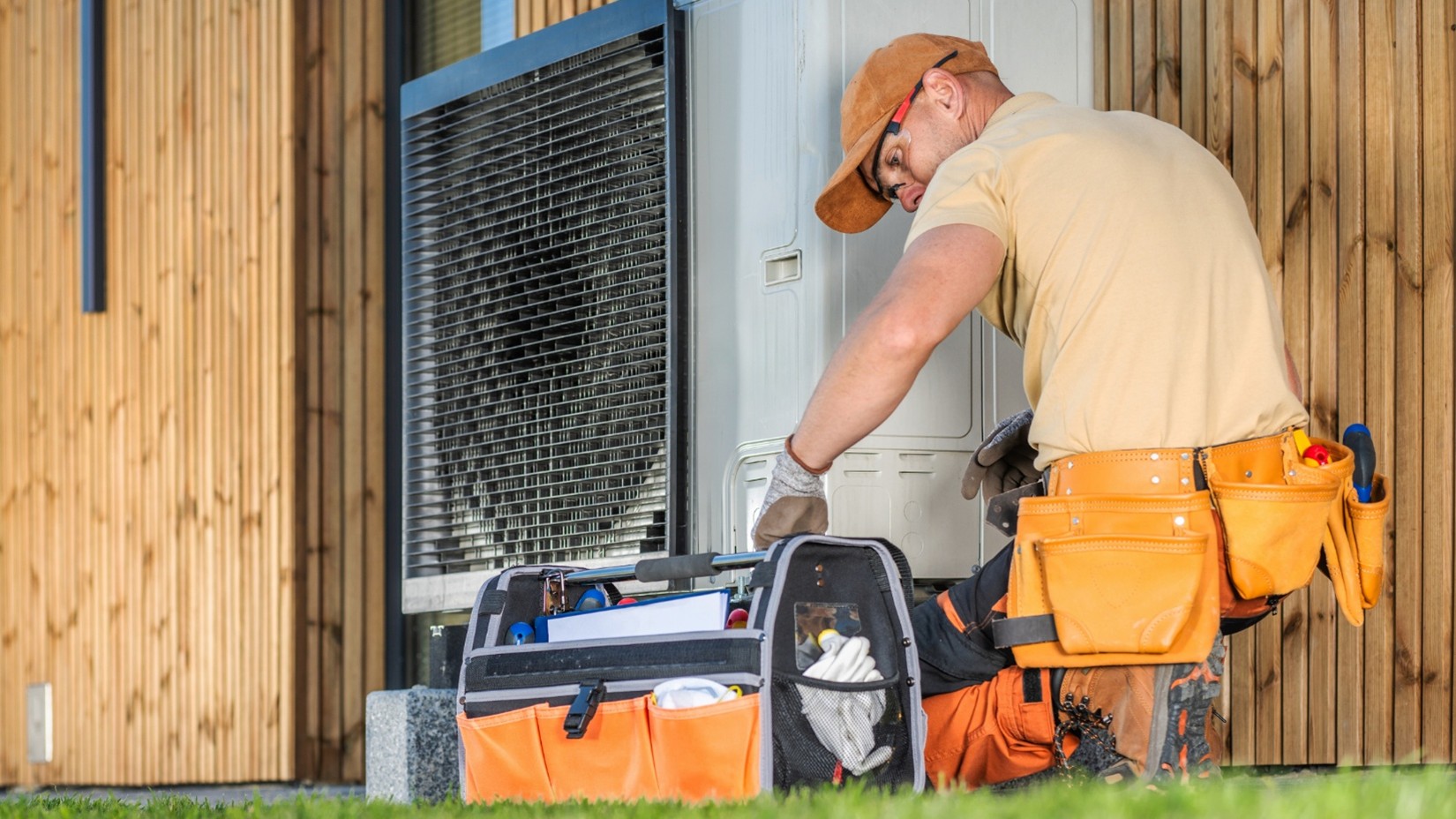
Doctor’s office HVAC maintenance in Overland Park is one of those things people usually only think about when things are not working as they should. In a medical office, that usually means exam rooms that feel stuffy, front desks that get too warm in the afternoon, or a waiting room that never seems to settle at the right temperature.
Patients feel it. Staff feel it even more. And when the system starts drifting instead of outright failing, the damage is usually in the interruptions. A late start here, a room shuffle there, a few frustrated comments by the end of the day. That is why clinics tend to do better when they treat maintenance like part of the schedule, not a side task.
Why doctor’s office HVAC maintenance in Overland Park matters before patients notice
A doctor’s office asks more from heating and cooling equipment than many people realize. Doors open all day. Treatment rooms do not all carry the same load. Some spaces are packed for an hour, then sit empty. Others need to stay steady because equipment, supplies, or plain patient comfort depend on it. Add in Kansas weather and you get a system that rarely gets a real break.
That changes the goal. In a house, people often tolerate a little inconsistency. In a clinic, even minor swings feel bigger because patients are already uncomfortable, rushed, or anxious. A room that feels muggy or too cold can change the tone of the visit in seconds. That is why doctor’s office HVAC maintenance in Overland Park is usually less about tune-ups and more about protecting the workday from preventable friction.
What makes medical offices harder on HVAC equipment
The simple answer is usage. Systems in healthcare spaces work longer hours and respond to more changing conditions. A single afternoon can bring packed waiting areas, repeated door traffic, staff moving between rooms, and sun hitting one side of the building harder than the other. If the air balance is off even a little, complaints start fast.
A general setup by an HVAC installation company in Overland Park also has to feel clean and dependable. People are sensitive to smell, airflow, and stale rooms in a medical setting in a way they might ignore somewhere else. Dirty filters, weak circulation, or aging components tend to show up as comfort issues first. Then they turn into strain on the equipment.
That is where a solid doctor’s office HVAC company in Overland Park earns its keep. The best teams do not just check boxes. They look at how the office actually runs, when rooms are busiest, and where the recurring comfort complaints happen.
What a good maintenance visit should actually cover
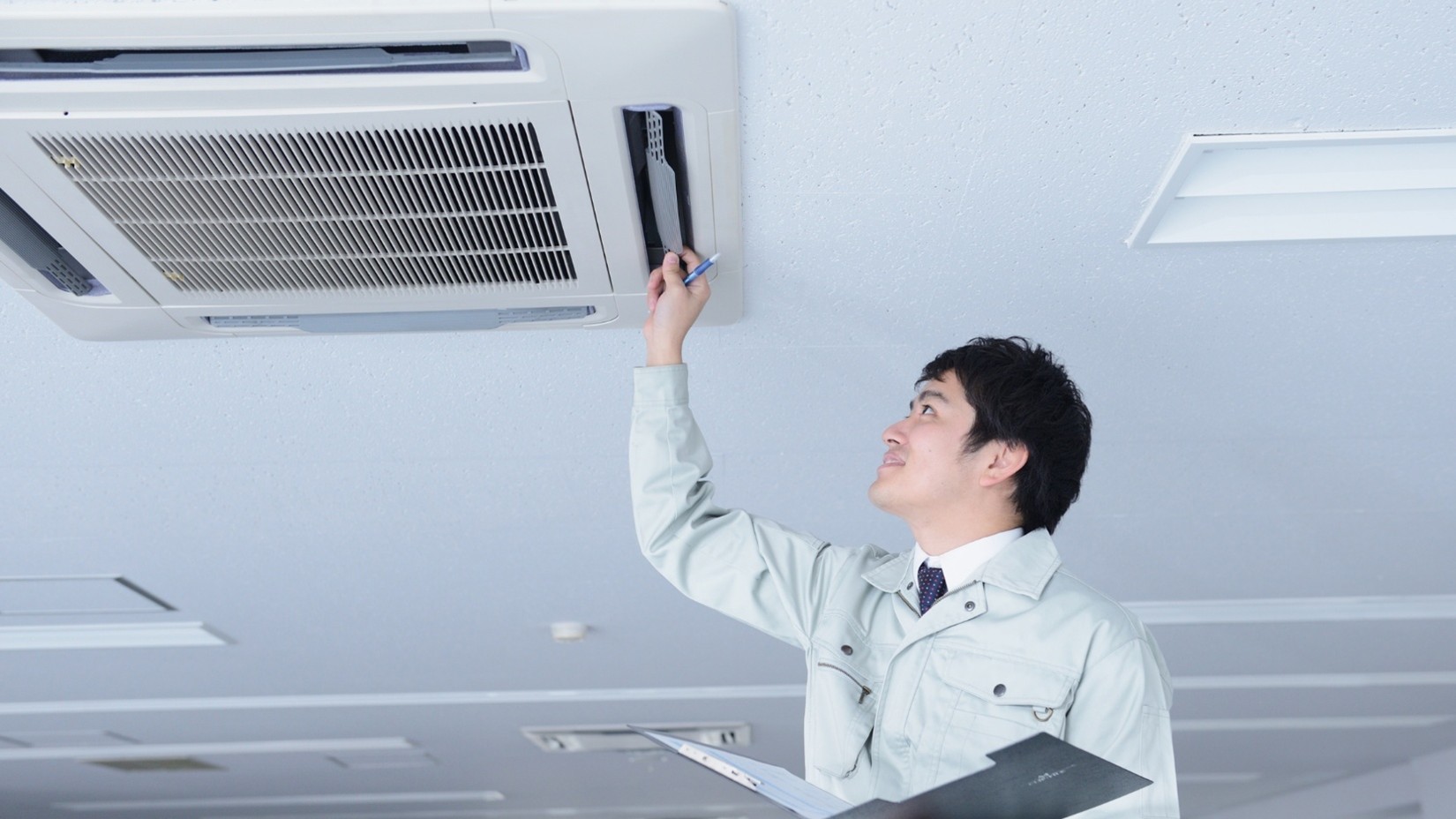
A proper visit should do more than swap filters and leave a sticker on the unit. Clinics need the basics handled, of course, but the real value is in catching slow drift before it becomes downtime. That means checking airflow, controls, drain lines, coils, thermostat calibration, electrical connections, and the parts that quietly wear down during long seasons of use.
It also helps to compare maintenance findings with the kind of work that usually gets postponed. If a practice has already needed multiple doctor’s office HVAC repair services in Overland Park, that is a sign the office may be treating symptoms instead of the cause. The pattern matters. Repeated hot spots, frozen coils, or noisy startup cycles are not random bad luck.
A thoughtful technician will also point out when the building has outgrown its original design. Sometimes the answer is not more repairs at all. Sometimes the issue traces back to earlier sizing or layout choices that a doctor’s office HVAC install company in Overland Park should revisit, especially after renovations, room conversions, or staffing changes.
So how often is enough?
For most clinics, twice a year is the practical baseline. One visit before cooling season and one before heating season gives the system a chance to be cleaned, checked, and adjusted before the weather gets demanding. That is the schedule many offices can live with comfortably.
But twice a year is not a magic number. Busy practices with older equipment, long operating hours, or recurring comfort problems often need more attention. If an office has added treatment rooms, changed its floor plan, or expanded services, doctor’s office HVAC maintenance in Overland Park may need to happen on a tighter cycle for a while. It is easier to stabilize the system early than to keep chasing little problems all year.
That is especially true when expansion work is part of the picture. A past project handled by a doctor’s office HVAC installation company in Overland Park may have been technically correct, but the day-to-day balance can still shift once the office is fully in use. Maintenance is what shows how the design performs in real life.
The signs you waited too long
Usually, the warning signs show up before a full breakdown. The waiting room gets warmer than the exam side. One thermostat seems to control nothing. Staff start closing vents, propping doors, or keeping personal fans behind the desk. Utility bills creep up even though nothing obvious changed. Those are not harmless annoyances. They are early indicators that the system is working harder than it should.
Once the office starts adapting around the equipment, the equipment is already shaping operations in the wrong direction. That is why doctor’s office HVAC maintenance in Overland Park pays off best when it feels almost uneventful. No emergency. No scramble. Just a steady, comfortable building that lets the staff focus on patients instead of room temperatures.
FAQ
What time of year is best for a maintenance visit?
Spring and fall are usually the easiest windows. You can get ahead of the heavy summer and winter workload, and there is more room to fix small problems before the system is under real pressure.
Can maintenance really reduce repair calls?
Yes, especially when the same issues keep popping up. Catching weak airflow, dirty coils, electrical wear, or control problems early is a lot cheaper than finding them during a busy clinic day.
Should newer medical offices still schedule regular service?
Absolutely. Newer equipment still needs cleaning, calibration, and inspection. A newer system may run well for a while without attention, but that is often when small issues get missed.
Supreme Mechanical Solutions provides custom solutions tailored to meet the operational demands of your business. Contact us today at (913) 399-7711
Built for business. Industries have needs. We customize solutions. Restaurants trust us. We repair equipment. Your business runs efficiently.
Be sure to follow us on Facebook for updates, maintenance tips, and a look at our recent projects.


