

There isn’t one HVAC system that works best for every warehouse. Ceiling height, square footage, insulation, loading doors, inventory, and even the number of people working inside can change what makes sense. When we evaluate warehouse HVAC in Lenexa, we look at how the entire building operates before recommending equipment.
Warehouse HVAC Is a Different Kind of Challenge
Heating and cooling a warehouse isn’t quite like handling an office or retail building. Warehouses tend to have large, open areas, high ceilings, concrete floors, loading docks, and doors that may open dozens of times throughout the day. All of those things affect temperature. Heat rises toward the ceiling in winter, while employees are working closer to floor level. In the summer, a large roof can absorb plenty of heat. Open a loading door on a 95-degree afternoon or a freezing January morning, and the indoor temperature can change quickly. That’s why we don’t start with a particular piece of equipment. We start with the building. A good warehouse HVAC company in Lenexa should want to know how you use the space, where employees spend their time, what you store, and where you’re currently having problems.
Start With the Size and Layout of the Warehouse
Square footage matters, but it’s only the beginning. Two warehouses with the same floor area can require very different HVAC setups. A 25,000-square-foot building with a 14-foot ceiling isn’t dealing with the same volume of air as one with a 30-foot ceiling. Then there’s the layout. Are offices built into one corner? Are there production areas that generate heat? Is most of the building used for storage? Are employees spread throughout the warehouse or concentrated around packing and shipping stations? We want answers to those questions before sizing equipment. Otherwise, you’re making an expensive decision based on only part of the picture.
Should the Whole Warehouse Be Heated and Cooled the Same Way?
Usually, it’s worth asking whether it needs to be. A warehouse may include storage space, offices, break rooms, shipping areas, restrooms, and workstations. Those spaces don’t necessarily need identical temperatures or operating schedules. Zoning can make a lot of sense in the right building. For example, an office with employees working at desks all day may need tighter temperature control than an area used primarily for storing products that aren’t temperature-sensitive. Separating those needs can keep people comfortable without treating thousands of square feet of lightly occupied space exactly like an office. That’s one reason we spend time learning how the property is actually used before recommending warehouse HVAC in Lenexa.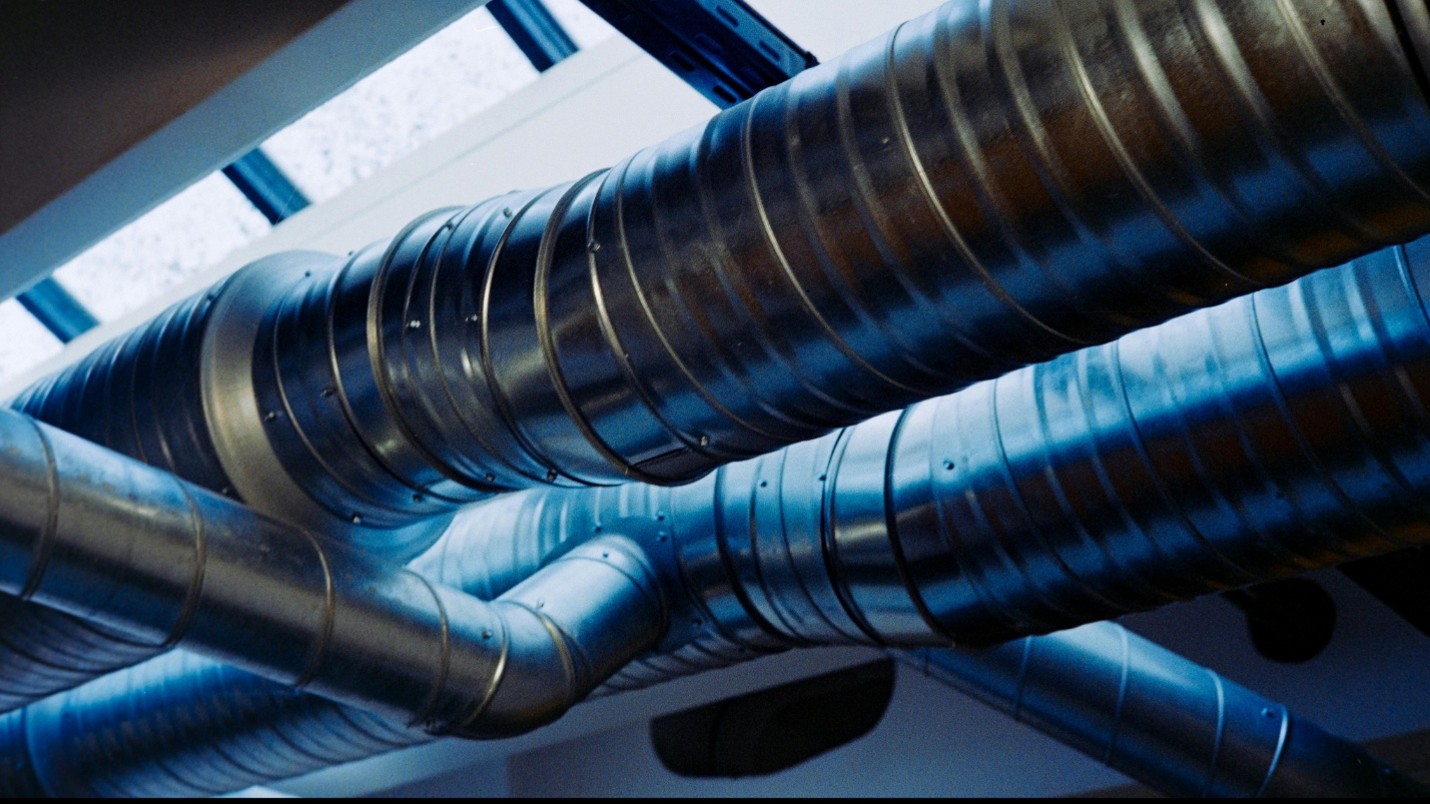
Rooftop Units Are Common, but They Need to Fit the Building
Packaged rooftop units are a common choice for commercial and warehouse properties. They keep equipment out of the working area and can provide heating, cooling, and ventilation from one location. But simply having rooftop units doesn’t mean the HVAC setup is automatically right. Equipment still has to be sized properly, maintained, and paired with an air distribution system that can get conditioned air where it needs to go. Existing units also deserve a close look. If one section of your warehouse isn’t staying comfortable, the problem might be the unit itself. It could also be airflow, controls, ductwork, or the way the space is being used. Before assuming replacement is necessary, a roof top unit repair company in Lenexa can inspect the equipment and determine what’s actually going on. Sometimes the fix is fairly straightforward. Other times, an aging rooftop unit has reached the point where putting more money into repairs doesn’t make much sense.
Don’t Forget About Air Movement
This is a big one in warehouses. With tall ceilings, warm air naturally collects overhead. During the heating season, you don’t want to spend money heating air that stays 25 feet above your employees. Fans and other air circulation strategies can help move that warm air back toward occupied areas. Better circulation can also reduce temperature differences throughout large open spaces. Duct design matters for the same reason. Conditioned air has to travel a long way in some warehouses. Poorly placed or improperly sized ductwork can leave certain areas uncomfortable even when the HVAC equipment itself is operating normally. If you’re replacing equipment, it’s worth evaluating the existing air distribution system at the same time rather than assuming it will work perfectly with the new setup.
Loading Doors Can Change Everything
We pay attention to loading areas because they’re one of the biggest sources of heating and cooling loss in many warehouses. Every time a large overhead door opens, outdoor air gets an easy path inside. If doors remain open while trucks are loaded or unloaded, the HVAC system may spend a lot of time trying to recover. How frequently does that happen at your facility? If it’s occasional, it may not have a huge impact. If your shipping department has doors opening all day, we need to account for it when thinking about equipment capacity, airflow, zoning, and temperature control. Operational changes can sometimes help, too. HVAC doesn’t always have to solve every problem by throwing more heating or cooling capacity at it.
What About Older Rooftop Equipment?
Warehouse rooftop equipment tends to work hard, and eventually repairs become part of the conversation. One service call doesn’t necessarily mean you need a new unit. We look at the bigger picture: How old is it? How often has it needed repairs? Are parts readily available? Is it still keeping up? Have utility or repair costs been climbing? A rooftop unit repair company in Lenexa should help you understand the condition of the equipment instead of automatically assuming that replacement is the answer. There comes a point, however, when repeated repairs start adding up. If a unit is unreliable and disrupting warehouse operations, planning replacement before a complete failure can give you much more control over the timing.
Think About What You’re Storing
Not every warehouse is simply trying to keep employees reasonably comfortable. Products can have temperature or humidity requirements, too. Certain materials, electronics, food products, chemicals, pharmaceuticals, and other inventory may need more controlled conditions. Even products without strict storage requirements can sometimes be affected by extreme heat, cold, or moisture. Tell your HVAC contractor what is stored in the building. We’d rather know about those requirements while we’re designing the system than discover afterward that a particular part of the warehouse needs tighter environmental control.
Efficiency Isn’t Just About Buying a New Unit
When businesses want to reduce HVAC operating costs, new equipment often gets most of the attention. It can certainly help, especially when replacing an older inefficient system, but there are other pieces to consider. Controls, scheduling, insulation, air leakage, ductwork, maintenance, and loading-door habits all affect energy use. So does equipment sizing. An HVAC installation company in Lenexa should look at those factors before recommending new equipment. If there’s an underlying problem with the building or air distribution, installing a new unit without addressing it may leave you with some of the same complaints.
Plan for Maintenance Before You Need a Repair
Warehouses aren’t great places to discover an HVAC problem at the last minute. A failed unit can make working conditions uncomfortable, and depending on what’s stored inside, temperature problems could create concerns beyond employee comfort. Routine maintenance gives us a chance to catch worn components, dirty coils, clogged filters, drainage issues, loose electrical connections, and other problems before they become bigger repairs. It also gives you a better idea of how your equipment is aging. That can be helpful when budgeting for future replacements instead of being surprised when an older unit finally quits.
So, What Is the Best Warehouse HVAC Setup?
The answer depends on the warehouse. For one property, rooftop units with properly designed ductwork and good air circulation may make perfect sense. Another facility may need multiple zones, different controls, or additional attention around loading areas. A warehouse with temperature-sensitive inventory could require a much more specific approach. That’s why we don’t believe in recommending warehouse HVAC in Lenexa based on square footage alone. At Supreme Mechanical Solutions, we want to see the building, understand how it’s being used, and hear about the problems you’re already noticing. Are employees cold near the loading docks? Is the office comfortable while the warehouse isn’t? Does one rooftop unit seem to run constantly? Are you expanding or changing how part of the facility will be used? Those details matter. Before choosing a commercial HVAC installation company in Lenexa, make sure they’re looking beyond the equipment itself. The best warehouse HVAC setup isn’t necessarily the biggest system or the newest technology. It’s the one designed around the building, the people working inside it, and what your operation actually needs day after day.

Reach out to us online at Supreme Mechanical Solutions or contact us today at (913) 399-7711. SMS provides custom solutions tailored to meet the operational demands of your business. We understand that every industry has different needs, which is why we take the time to customize our approach. From helping restaurants keep critical equipment running to providing dependable repairs and ongoing service, our goal is to keep your business operating efficiently with fewer interruptions.
Be sure to follow us on Facebook for updates, maintenance tips, and a look at our recent projects.


